Monday, January 31, 2022

Bridget: Power and Industry

 Or:  Stop Making Bridget into Inspiration Barbie!!!!


source: thebookofsassafras.blogspot.com/p/sovereignty-and-goddess-of-our.html
 

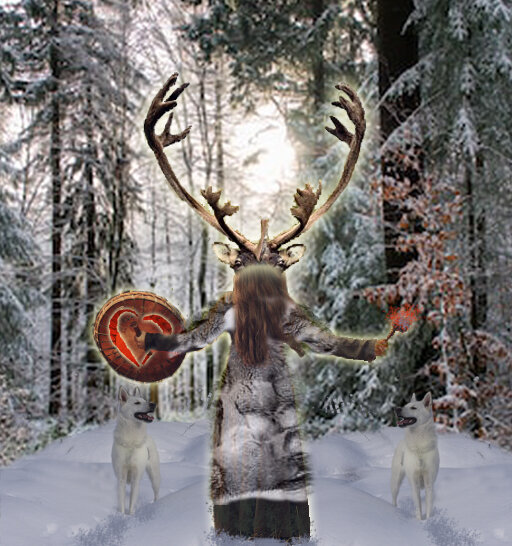
Candlemas is here, with the celebration of St. Bridget's day.  We are at a cross quarter, half way between winter solstice and spring equinox.  Where I live, and in most of northern Europe, it's still deep winter, but in warmer areas it is lambing time.  In New England, it's soon sugaring time.   The first spring industries for food production and winter survival are returning.  In southern Appalachia, it's time to start those broccoli seeds for March planting.  Here in the Alleghenies, I have a month before I will start my own cabbage.  St. Bridget's day is almost here.

But. Oy.  I've been seeing a massive number of online Instagram/Facebook/Tik Tok posts portraying Bridget as a young, often red-haired Barbie, with authors talkin about Bridget as bringing "inspiration," "healing," "love and light."  Bridget becomes this powerless, gentle, de-fanged goddess of Live, Laugh, Love.

Yuck.

It's been three decades since Starhawk asked the pagan community to stop this crap:  making all Goddesses slim, sexy depictions of young women with societally sanctioned prettiness and popular acceptability.  With my own blog and puja to Bridget, I find these simplifications annoying and the power-stripping of one of the Great Goddesses of Europe incredibly sexist.  Why would anyone become pagan to make Bridget into the Goddess of "love and light."  Whenever anyone reduces women to a sign found in every Walmart, we should pause.

Bridget the Great Goddess.  She ruled Blacksmithing.  Smithcraft was the industrial powerhouse of the iron age, bringing stronger metal to European communities.  Think of Bridget as the Great Goddess of what was the computer science of her age.  Smithing made nails possible, people.  Smithcraft made nails, hooks, andirons, hobs, a damper.  Think about iron age homes without dampers, people.  Without fireplace grates.  Bridget the Hearth Goddess is a powerhouse because she as the Goddess of smithcraft brings us the modern hearth, able to do more and cook more and heat more thanks to smithcraft.  And smithing without tools is hard work itself, and Bridget as Goddess of smithcraft brought anvils and hammers and tongs.  Bridget is the superpower, multinational Goddess of Industry.  
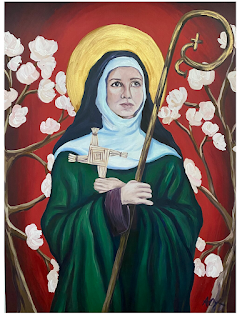
Bridget the Bishop, with her Staff.  source: https://druidry.org/resources/brigid-survival-of-a-goddess


And she ruled Poetry.  But poetry in a time before literacy wasn't a pretty occupation or even a written occupation, because written history didn't yet exist.  Bridget ruled poetry, the industry of stories, of history keeping, of story telling.  Irish poetry historically has a strong rulebook of rhyming forms, necessary for bards and family historians and teachers to use for making a remembered oral tradition.  Bridget ruled poetry which means she represents history, teaching, and story telling in an age when sharing knowledge required a poetry of remembrance.  She is a powerhouse of words and passing traditions.  Bridget is the Google of Goddesses.

And Bridget rules the land.  Celtic society was a patriarchal society, so looking at even Celtic Goddesses requires a feminist lens.  Celtic nations fought and bickered and some of the oral histories we get from them are deeply sexist and warlike.  However, accepting these stories as literal history or as literal worship is as much a mistake as accepting a Bible written and repeatedly edited by men.  Or accepting hollywood movies as representing US history (with Rambo being more important than Stacey Abrams or Winona LaDuke - which I'm sure many rightwing men believe).  When stories of a pagan Bridget challenging war lords morph into the St. Bridget who stole land for her monastery (coed and of which she was Bishop), these stories speak of a Goddess that outranks tribal nations and kings.  And good for that.  Why would I follow a Goddess who doesn't challenge and uproot patriarchy?

And that brings us to the historical Bridget, who used her cloak to steal land from Kings, to help criminals escape punishment, who ran that monastery as bishop and ruler, and who became the stuff of both Goddess and Christian legend.  She ruled the sun, where she hung her cloak.  She is a helper to cows and ewes, the midwife to Mary birthing Jesus, the healer through magical use of ribbons representing her cloak, through rushes representing her connection to light and fire, through hearth prayers and traditions that have all sorts of Christian language but harken back to the Goddess of might who challenged kings and ruled industry.  There are gazillions of blogposts out there on making Bridget dolls, an Irish tradition, of cooking fish, aWelsh tradition, of Bridget as the Cailleach and special scones (Scottish tradition), and finally there is St. Bridget's Ale.  Remember Bridget is the Goddess of Industry, so what is more important an industry that brewing?  So of course there is Bridget of the Ale.  In some Welsh traditions, she is also associated with wine.
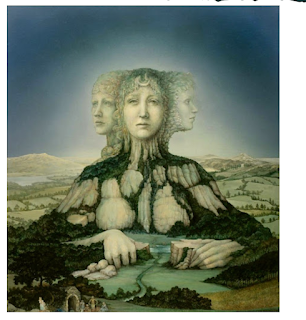
source:https://druidry.org/resources/brigid-survival-of-a-goddess

So I absolutely support Candlemas and St. Bridget's Day celebrations of making scones, putting out ribbons for Bridget to bless as symbols of her cloak, and making the St. Bridget's crosses as many tutorials explain.  Sure, light some candles.  Feel inspired.  But for St. Bridget's day this year, disgusted as I am with the Barbie Bridget being espoused around the pagan net, I am going to refinance my mortgage for land sovereignty, drink some ale for Cwrw Sant Ffraid ("Beer St. Bride" in Welsh), and I'm gonna work on my computer back ups and programming, because Bridget of Industry would rule computers today if we were to take Her seriously.

Which I do.

Most of all, feminists need Goddess to overthrow patriarchy.  Whether Saint or Goddess, Bridget was out there in Iron Age and medieval times, grabbing land, making beer, creating history, running industry.  Follow her and we should do no less.


Sunday, October 17, 2021

The Dark Inside of Me, I'm Gonna Let It Grow

Or Stop Saying "Shadow Work," ffs


Somewhere I have a mimeographed copy of Starhawk's first ever sermon to the Pagan communities of America to stop using "white light" as a spell for healing and empowerment.  Basically, stop using "white" to mean good, and "dark" to mean bad, she insisted.  This was back when Reclaiming was a real, paper, Xeroxed newsletter, and I had complained about using "masculine" and "feminine" energy as synonymous for sex role stereotypes in one issue around 1985.  

Of course, white people didn't listen then, and in general, as racism permeates forms of European descent paganism, white people are busy fighting Nazi appropriation and forgetting small language changes.  This is what rightwing and fascist organizing is always about, btw: forcing progressives and socialists from important work in our communities to endlessly battling the brown shirts of various conservative and rightwing groups.  Yes, do keep fighting against white supremacists appropriating European paganism.  

But we still need to think about and remember language.  20 years ago I sang a version of "This Little Light of Mine" at a Unitarian Universalist church in a sermon about multiracial families challenging racist norms.  I proposed this version I used in my years of teaching daycare and preschool:

"The Dark inside of me, I'm gonna let it grow,

The Dark inside of me, I'm gonna let it grow.

The Dark inside of me, I'm gonna let it grow,

Let it grow, let it grow, let it grow."

The reason Starhawk, me, and many anti-racism activists,including Aradhna Krishna and Cord Whitaker,  have called for this language change - for about 50 years -  is because the endless equation of darkness, shadows, blackness, brownness, and night with evil, badness, difficulty, challenges, hardship and ugliness is a deep-rooted form of European racism.  It came into Europe with the Indo-Europeans: ya know, those conquering patriarchs who wiped out the thousands year old Goddess and dark worhsipping civilizations that preceded and which archaeologist Marija Gimbutas worked her entire life to uncover and teach.  Gimbutas' work has been confirmed recently by genetic sequencing; when the Indo-Europeans invaded continental Europe, sweeping away matriarchies that had lasted millennia, they also wiped out the Y DNA of the indigenous peoples, possibly by genocide.  And they brought their sky God and their hate for darkness, women, children, earth, and life itself.  We are still dismantling their legacies that European descent peoples like my family have spread worldwide.

Part of paganism for modern pagans concerned with reclaiming any European indigenous religion, part of addressing social justice and racism for anyone concerned with equality and equity, and part of being an ally or traitor for people of color demands we dismantle racism.  So 40 years ago Starhawk admonished us to quit saying "white light," and also to quit with portrayals of "the" Goddess or any Goddess as blonde, buxom women from Victorian imagery.  

 And that means we stop using Shadow Work as a metaphor for addressing our experiences of trauma, abuse, poor parenting, triggers, or anything else from the psychological work of the (very racist) Carl Jung.   I am seeing too many Instagram posts about "shadow work," and calling for witches to do their "shadow work."  The idea is often to encourage healing for people, which is kinda nice.  But naming trauma, triggers, difficulties and challenges as "shadowy" is just simply racist.


We as pagans and committed allies and justice seekers ourselves, must dismantle racism in our pagan practice.  We have to stop with the buxom Goddesses, the blonde worshiping, and the racist language.  Paganism is rooted in the country in it's very meaning.  Country is soil and woodlands; country is seeds and fertility and fallow times and death; country is dark nights and dreamtime.  We need to reclaim the dark from those distant genocidal Indo-Europeans, and we need to reclaim the dark to see the totality of the beauty of life and living and dying on our threatened planet.  

The dark, the shadows, the night, are all beautiful.  We come from the darkness of our mother's wombs, and we live off the bounty of the darkness of soil and seeds and roots deep in the earth.  Night is for rest, for hunting, for growth, for seeing differently.  Shadows are nourishing havens in summer and protection for plants and species needing a different light.  My shadow garden is as beautiful as my sun garden.  Shadows whisper to me when I search for my ancestors, and shadows call for coolness and succor.  The shadows aren't places we address difficulty or hardship.  The shadows are places of growth and beauty and haven.

So if you want to do to emotional work with intergenerational trauma, with experiences of oppression and trauma, with patterns of behavior we hope to change and address, we need to use language that is inclusive of all people and our whole earth.  Naming is essential in feminist witchcraft, it is essential in feminist and anti-racist activism, and it is essential in healing.  

So name your work with truth.  With power.  "I'm working on intergenerational trauma."  "I'm working on addressing behaviors I learned due to violence in my life." "I'm trying to dismantle the oppressive language I learned growing up."  "I'm trying to learn new ways of being present to the people in my life."  "I'm working on new ways to set boundaries."  This is consciousness work.  It is old fashioned consciousness raising.  It is community and political work.   Name it. Name it. Name it.  

Because in naming we reclaim the dark in ourselves, the stuff several millennia of violence has tried to erase:  females of all color, men of color, children, communities and nations of color, the earth, the land, animals, our homes.  Letting those parts of the world grow is essential to the planet.  We need women of all colors; we need men of color; we need forests and soil and land and children and community.  

Fuck yes, let them grow.  Let darkness grow.


Some resources:

How did white become the metaphor for all good things?

Is saying "dark" to mean "bad" an offensive, racist metaphor? 


Wednesday, January 6, 2021

Epiphanies and Coups

 I woke today, the last day of Christmas, epiphany, the day of recognition.  The news from the Georgia election was the greatest; I posted on my personal Facebook that today was the best epiphany ever.  

Well.  

What a day.

Epiphany has many meanings.  Someone can have a personal epiphany, realizing an important fact or feeling or event.  A friend had an epiphany that she wanted to study nursing.  This recognition/realization changes her life as she looks to enroll in college.  

Epiphanies can be religious.  We recognize the divinity of a baby (or all babies).  Three wise men recognize the future leadership of a baby (or all babies).  Epiphany is January 6th, the last day of Christmas, the day the Magi arrive at the manger where Mary cares for Jesus.  In many cultures, today is the gifting day.  Last night Befana flew in Italy, distributing gifts to the good keepers of Christmas.  In Ireland, Epiphany was the Nollaig na mBan, Women's little Christmas.  Women got together and children buy gifts for their moms and grannies.  Pubs are all female on Epiphany to this day in Western Ireland.  (A great tradition...)


Epiphanies are also political.  Taking back the Senate seemed this morning to be the most fitting Epiphany gift.

And now.  A bunch of Trump rioters took over the US Capital while Capital Hill police took selfies with them in the Rotunda, and DC riot police (not to mention MD and VA riot police) somehow took three hours to arrive and expel them.  Having marched in DC - twice with a million other marchers - I can tell you that when the LGBT community or moms against guns show up in DC we are met with far more force.  But still, the failed and ridiculous coup was an epiphany for many Americans, especially white Americans who have wobbled on Trump these past four years, wanting his followers' votes and not wanting to protest his support of fascists and KKK.  A West Virginia state senator wrote that this lame coup was a disgrace on the day of Epiphany, Christ's revelation.  I responded that the real epiphany is that Republicans are traitors.  Yay me.

Yet walking tonight and enjoying the last evening of Christmas lights, I return to my own political epiphany.  Two wonderful Democrats are now the elected Senators for Georgia, until recently one of the most segregated states in America, and one of the most historically activist states in suppressing minority voters. Today's election goes to Stacey Abrams and the organization Mijente, who spent years slowly building up a coalition to overcome Republican gerrymandering and voter suppression (remember those 10 hour lines back in November?  those were no mistake, and are the real voter fraud of 2020).

You have to go back to 1980, though,  to appreciate today.  I and my first husband were active trying to push the DNC to address the active Republican suppression of Black voters throughout the US south.  The National Democrats refused to do so, which helped oust Jimmy Carter and ushered in Ronald Reagan.  Remember the 1980's pandemic?  I watched my neighbors die of AIDS thanks to all the failures from that time.  

Stacey Abrams, however, recognized the voter suppression in her home state, and her epiphany led her to overcoming election defeats and to build a network that fought the suppression that defeated her.  Remember, Epiphanies can be personal, political, and religious.  Abrams build Fair Fight Action in 2018, and two years later she delivered Georgia to the Democratic Party that abandoned her and all people of color forty years before.  Watching tonight's Christmas lights, the senate elections feel pretty deeply faithful.  It will be up to US activists to demand that Democrats live up to the gift they were given:  we need an agenda that addresses all communities, especially communities of color, oppressed communities, and fighting communities.  A bunch of camouflage dressed, middle aged idiots marching through the Capital can't stop us.  

So.  Epiphany.  Revelation.  What will tomorrow uncover and show us about our own lives, about our own powers, about faith and believing even when tomorrow seems unfathomable?  Believing that epiphanies will come requires a lot of faith.  I voted socialist in 1980; Abrams lost the governorship in 2018.  Yet we must grab epiphany, grab revelation, grab recognition of our power to build again and again.  

We are the real coup.

Merry Last Day of Christmas.


Sunday, December 20, 2020

Birds, Women, and Science/Augury this snowy December


Preston county, WV.  Picture by author.


It is a snowy December here in the Alleghenies. The skies are sighing in relief:  2020 has been a year, no?  So snowy days and the woods filled with comfort and light are a welcome respite from elections and pandemics.  My year has included a parent with terminal cancer, leaving a beloved kid at a new college in what was at that point the worst COVID transmission rate in the WORLD, and finally using quarantine to build my raised bed garden.  Despite not supporting current President-elect Biden, I worked on his campaign for a lot of the fall, making calls to Georgia, and writing letters to the editor in five states. So....   December. Snow.  

The earth calls us to rest.

Driving down the mountains yesterday I saw geese flying.  I still follow ornithomancy, bird augury, the prediction of future by observing birds - though in general my relationship with birds is to watch and enjoy my neighborhood birds as I walk dogs every day.   These geese flying south speak to me of motivation, fire, emotions, family relationships, and the spark of new beginnings.  Tomorrow's Solstice brings the great Jupiter/Saturn conjunction, with Saturn already passing into Aquarius last week.  New beginnings, emotions, fire, and motivation all connect with the geese.

My youngest daughter and I are looking to take some online kid computer coding lessons together - just for fun.  For the past years working as an official home-based teacher I have loved teaching my high school kids fun science - mentos in Diet Coke, exploding film canisters, food colors exploding in milk.  I work with kids on the spectrum who have experienced abuse, and often live with grief and depression.  Exploding stuff is great for those kids.  My supervisors in schools, however, dislike my focus on fun.  US public schools still delight in boring children to death.  However, I remain disgusted by our societal maiming of children - especially girls of all colors and abilities, boys of color, and boys with disabilities of all colors.  It is amazing that schools still think kids on the autism spectrum shouldn't learn science.

Science, however, comes from augury, from magic.  We are built on the work of women gathering seeds and berries and feeding their children, on the observations of women who followed game and hunted across the herd paths of all continents, on the children who helped their mothers move from hunter/gathering societies to agricultural by planting and tending and harvesting.  Recent research in anthropology shows that hunter gathering groups and agricultural groups lived side by side for centuries, as well.  The scientist/mothers/children of both groups surely shared to the benefit of all.  Watching birds, watching clouds, watching herds, watching seeds.  Science comes from women and children.

Yet our schools see science as the prerogative of white, straight men.  

I actually searched for a class in fun engineering for my daughter and me.  I read awesome articles about women engineering students inventing solar tents for the homeless, concrete fabric for refugees, high school girls in Kenya inventing batteries that run on urine.  My facebook page Solarpunk Revolution exists to honor these women and girls.  No such online fun class or cool engineering kit exists, however, that teaches science as solving the fun stuff of women's lives.  My daughter and I looked online at over 100 different car kits for teenage engineers.  Not one solar tent for the homeless kit.  There were build your own light sensor kits, but no urine-based batteries.  

I am left with the thought that US schools and racist heteropatriarchy have so constrained science into a tool of capitalism, that even the mentos in Diet Coke explosions I share with students is not enough to open our eyes to what we could be exploring and inventing.  I am sad and angry to try and even imagine all we are missing, and all we have lost.  I try to think what science kits I would create, but I am boggled and baffled by barriers of patriarchy.  I hate this maiming.

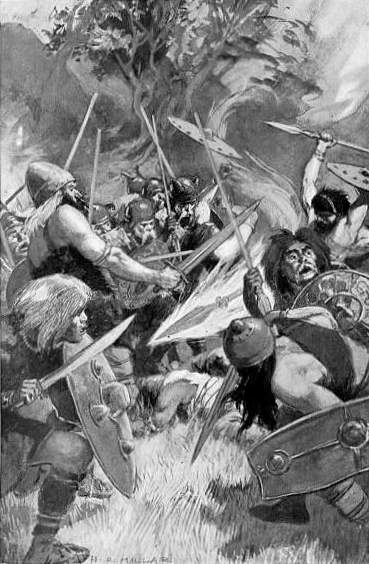
So about augury.  Most pagan texts online or published focus on classic augury:  Greeks reading chicken entrails; Celts watching battle crows; Anglo Saxons burning magpie feathers.  Augury, according to all these patriarchal cultures, is about battles, and kingdoms, and men.  It is meant to create nation-states, barriers, stratified societies, and war.  In my work I still struggle to teach West Virginia parents not to put Mountain Dew in infant's bottles, trying to explain that evidence shows soda harms infants.  But the words research and evidence have no meaning to people in dire poverty, with little healthcare, and an education system that still allows physical violence.  I go back to baking soda and vinegar reactions, something the majority of my parents have never seen.  I am showing trick magpie feathers, the very beginning requirements of science.  

Then I go home and watch my neighborhood murder.

These crows love our ridge top, with tall oak trees, and plenty of room to cavort and caw.  Three crows mischievously spent the summer swooping onto my neighbors balcony to steal dog food.  I set a large birdbath in my garden to keep them hydrated through the hot summer, andspent humid evenings watching sparrows, starlings, and cardinals flit to the bath when the crows flew away.  The three crows often watched me in the garden, waiting until I carried tomatoes inside, before swooping down to the birdbath.  I watched them, trying to tell them apart, but never succeeded.  They are the dogfood thieves of the neighborhood, a Morrigan of mischief instead of battlefields.  I see their bigger murder  when I walk, swooping from parks to trees on our ridge top.  

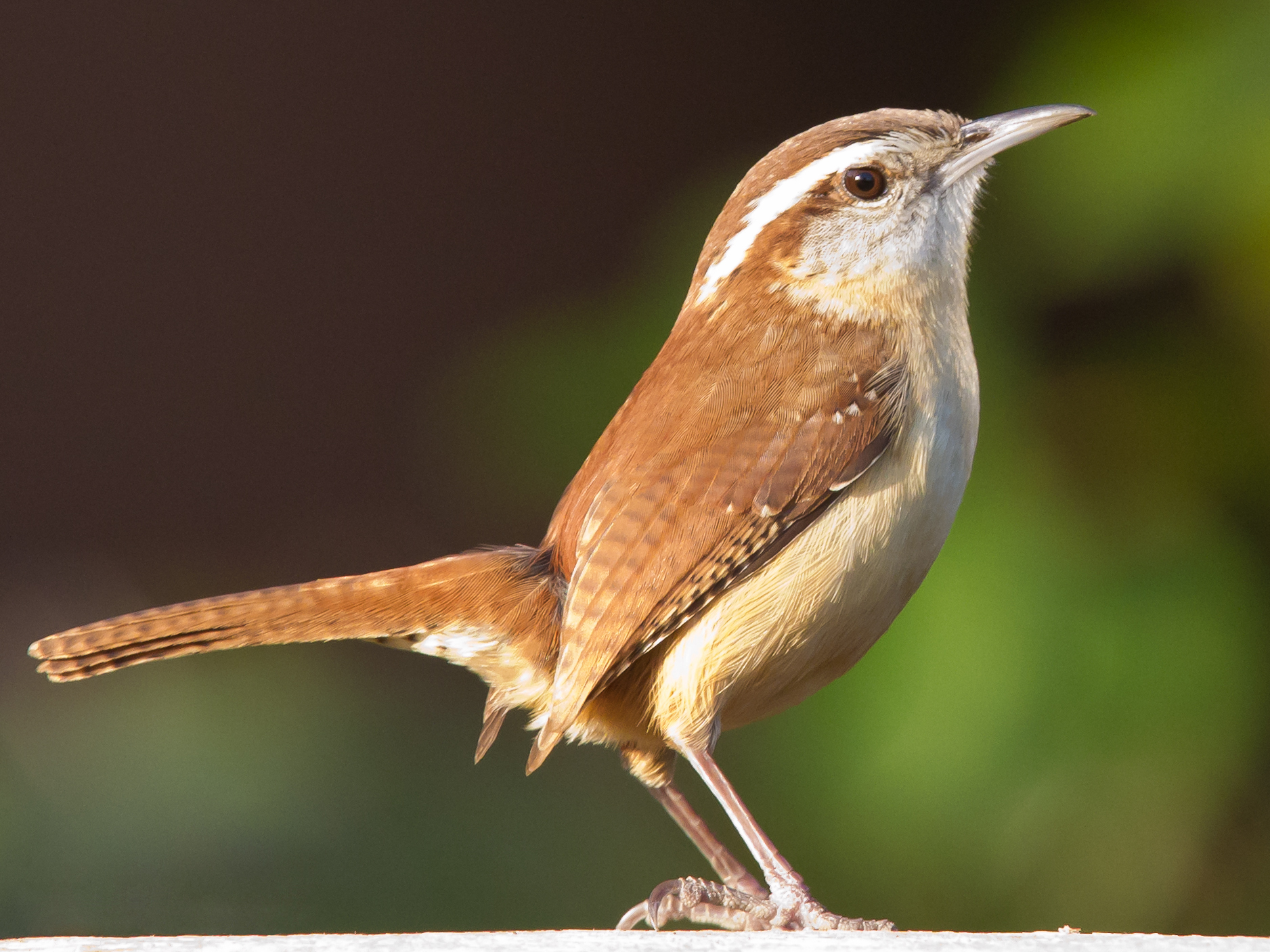
When I think of entrails, I think of the wrens calling year round in the trees.  Wrens, the loudest birds, abandoned my back porch this summer when we finally got an old grill working.  Before that, the wrens had hunted insects in its shady interior.  The entrails we fixed to get some summer kebabs, sadly meant less food for my birth bird.  I watched the wrens in our chestnut, in the neighbor's bushes, but they only rarely returned to our porch railing. Now the wrens only come if I put out mealy bugs.  But the loudest bird is never missing from hearing.  The loud wren "cheer, cheer" starts around 4:30 a.m. in summer, 5:45 now at Solstice.  In the midst of pandemics and coups, wrens tell us to cheer up all day long.

So my own augury has more to do with the mother scientists of old, following herds, observing seedlings, listening to birds.  I am and have always been part of the science of relationship:  observing those I love, from children to crows, while altering my. behavior to adjust outcomes for my loved ones.  This is true for my work in behaviorism, which I maintain is deeply feminist:  behaviorism in general, and Applied Behavior Analysis more specifically, are observational sciences of watching and caring deeply.  My clients endured violence in schools, typically from teachers, and my job is to observe them and alter the environment so that they can start learning again, safely, and with love.  Indeed, more and more I define love as actions that result in positive outcomes, outcomes chosen by the loved one, outcomes based in objective measurements supplied by the one being given care.  

Incredible art by Be En Foret


The ancient pathways in Wales, when I lived there, were trodden across hilltops and valleys by our foremothers, all scientists.  Here in the Alleghenies, old paths follow wild game and deer tracks, this land tended and nurtured by Shoshone, Haudenosaunee, and Delaware nations before being stolen and mined and logged.  I believe our returning to science and recognizing our work as science, is deeply important.  It will be a huge part of this new era starting this solstice and the great Saturn/Jupiter conjunction.

Women as scientist mothers, ornithomancy witches, feminist engineers, we must return all lands and build new tents of inclusiveness in land where we have landed.  The beauty and majesty of these mountains that stretch from Georgia to Scotland are mountains tended by foremothers.  We are the daughters of these great inventors and keen observers.  Our foremothers hunted the hillsides and planted the valleys.  Before the wheel, they invented string.  Their knots were the written language of the Incas.  Every food we eat started in their hands.

Their science has been kept from us, but this snowy December, I want it back.  I want it back for my daughters, my son, my clients, my students, for humanity.  The cardinals who peck on the patio door when the feeders are empty are an augury of sharing and caring and anti-racist feminism and  empowerment.  

It's not Birds, Women, Science/Augury.  Its:  Bird Woman Science/Augury.  It is our heritage.


Saturday, August 1, 2020

Bridget the Abbey Maker and Warrior Policy: Lughnasadh 2020

Well.  These are the times, no?

photo courtesy pexels.com
It is Lughnasadh, 2020, and I am making beer bread and celebrating Lugh, the great warrior and sun god/deva/patron saint.  It is a day for grains and harvest, sunflowers, and the middle of summer.  In the great Celtic wheel of the year, we are half way through the summer months as we turn towards the equinox and the end of the growing season.

This midsummer harvest is one of pandemics and failed public health, a rising up of white people - finally - to join Blacks in questioning police and military policies in our neighborhoods and budget priorities, and a questioning time of whether or not children can safely return to school - center of the school to prison pipeline.  Which is where I work.  What does warrior Lugh and Bridget the Abbess have to do with the crises surrounding our lives?

Here in Appalachia, my deeply Republican state has seen its first ever Black Lives Matter Protests, the sale of the Atlantic Coast Pipeline  - which was destroying WV mountains and streams along with the water supply of the Eastern Seaboard, and a GOP governor breaking with the president to issue mask mandates and school closing long before his other conservative brethren.  West Virginia has had surprisingly peaceful BLM protests.  Just north of here in Pennsylvania, a BLM protest was attended by an armed militia.  West Virginia protests benefited from lack of internet in rural and armed parts of the state, keeping militia types away.

All these events were determined by policy.

"So who cares?" you say.

Well.  Saint Bridget, the historical Christian saint who founded a monastery in Kildare, Ireland, around 480 common era, was a policy maker.  She broke with some Christian sects and set up her monastery as coed, a hall for women and a hall for men.  She hired the first male religious leader, Conleth, to lead the men's monastic life, and she led the women.  She determined canonical jurisdiction, setting up Kildare (Cill Dara, church of the oak) as the center of central Irish church life.  Kildare and the abbot and abbesses there were the heads of the early Irish church, because Bridget declared them so.  Bridget in all Christian depictions carries a Bishops's staff, and all of her female successors were Bishops in their own right until the Roman church arrival in the 12th century.  That is 600 years of Irish women Bishops.

Bridget with her Bishop's staff:  Stained Glass of Saint Bridget from Saint Bridget Catholic Church, Seattle, Washington


Saint Bridget set up schools in Kildare.  Like the Goddess/deva before her, Great Goddess Bridget of Celtic contract and myth, Bridget the Abbess decreed Kildare a center for creativity, arts, metalwork, monastic illumination, blacksmithing.  Beyond the mythical stories about Saint Bridget defeating her pagan father with her magical cloak and miraculous healings, the historical Bridget was renowned for her oratory, her teaching and preaching, her work as a dairy woman and brewer. It was said that she could turn water into the best beer in Ireland.  Pilgrims to Kildare began during Saint Bridget's time, drawn to her teachings (and maybe the beer).  The pilgrims continued until Elizabeth I, a full millennium later.

You can't run a double monastery without policies:  policies as to who feeds the visiting pilgrims, who cares for the sick coming for miracle cures, who feeds the men and women in their work and ministry, who takes out the trash.  As the Abbess for all of Ireland, Bridget was the ultimate voice and ultimate decision maker.  She established the customs of an open door to all, of welcoming women and men to monastic life, of creating wards for healing and places for pilgrims to rest.  Without Bridget's decrees, there would have been no Kildare, no pilgrims, no illuminations, no school of art, no millennium of fire, no centuries of women in Christian church leadership.

Policies are central to every crisis we face as a nation, as a world.  Tax policies benefit oil companies and harm poor families.  Policing policies disproportionately target men and women of color and men and women with disabilities.  School policies mimic policing policies exactly.  We as individuals can protest all we want, demanding change, but until policies change, nothing has been accomplished.  Ibram X. Kendi, one of my favorite radical writers, pushes this view in all of his writings and workshops:  it's not enough to "be anti-racist."  Anti-racism requires changing racist policies.

And while many of my friends are now reading books on white fragility and anti-racist theory, I am instead calling on us to be anti-racist policy makers.  Which indeed sounds so boring.  Friends call me to write signs for protests.  Meh.  I am busy trying to change school policies, which is anti-racism work, but not in front of crowds, not with adrenaline and great friends and great speakers.

So how about on this Lughnasadh we name anti-racism (and anti-sexism, anti-homophobia, anti-ableism, anti-ageism, anti-militarism, anti-imperialism) policy making as warrior work?  Changing policy means leaving my Facebook political bubble, working with Republicans, working with people who routinely tell me that children with autism deserve to go to jail at the age of 5, or 7, or 11.  Nothing I can do for any student matters more than getting policies like routine suspensions stopped, and implementing policies of student choice and parent/school communication.  Walking into an Individualized Education Plan meeting for special education, I am absolutely a warrior.

And policy isn't all dry and boring.  Challenge oppressive policies, and watch people who think in their hearts they aren't racist or ableist lose their tempers.  Changing policies means facing intense anger.  The fury BLM protesters are encountering around the country seems overwhelming, but it is the anger of every teacher I encounter who wants to arrest a child more than learn how to actually teach them.  It is the anger from probation officers, police, school cops, principals, special ed. directors - all people who claim to care about children.  It is hard to see every day.  I continue as a "foster mother" to my clients, who like the pilgrims in early Ireland, need miracles.  Stopping school cops from handcuffing a child is the miracle I can offer.

I think it is so easy to view religion as a beautiful Abbey, as religious music, as spiritual connection to, well, Bridget, or Lugh, or Jesus, or Muhammad, or Buddha, or the deva in a creek or a mountain. I love those connections as well.  I write about them.

Celto-Roman Bridget, 1st Century, Common Era.
By Moreau.henri - Own work, CC BY-SA 3.0, https://commons.wikimedia.org/w/index.php?curid=11568655


But some of our religious sensibility has to go to the warrior side of religion.  Bridget defied her pagan father and tricked him into land for her monastery; Bridget defying Celtic chiefs who demanded she marry, and hiring her own monks to run her abbey; Bridget rescuing the sick and poor, especially women fleeing violence and poverty.  That warrior spirit is best served, though, by establishing the capacity to actually help others.  Without an abbey, without her schools, without her kitchen hearth she left open to all, there would have been no flaming shrine, no metalworking schools, no illuminated manuscripts, no beer to share.

I work in schools, so I know the policies I need to change:  suspension policies. special education policies, individualized instructional policies, child choice policies.  Wherever you are in your journey, there are other policies that need to change.  It is deeply important to go out and start changing those policies

Pull on your cloak, grab a beer, and get to work.  You are following sacred footsteps.


Friday, February 1, 2019

Happy Imbolc!


Gabhaim Molta Bríghde - Haunting Gaelic song by Aoife Ní Fhearraigh


A gift for St. Bridget's Day!  

Sunday, January 27, 2019

Returning to Imbolc

Gorgeous pic by Luisclas at pixel.com


I told my family that I was dedicating more time to Imbolc and St. Bridget's day this year, after many years of working hard to keep kids in college and build a new business and raise two new puppies...  all good things.  Yet Bridget puja has been sitting in the back of my life, and I am re-invoking my Bridget contract as I start this new year turn.

When my kids were little we celebrated St. Bridget traditionally - for the folk of Northern Europe and America, winter meant the loss of milk from cows, sheep or goats, the loss of butter making and fresh cream; chickens would quit laying eggs and dishes requiring dairy and eggs had to put up before the solstice, to store for the long months ahead.  During my years in Wales, I can attest that February 1 is lambing, despite cold and snow, and I was blessed to head out to pasture and watch my Welsh cousins search for ewes lambing in the snow (oh it was cold!).
Paul Selling at pixels.com
Yet lambing meant milk and a return to things like cakes and sauces that we now take for granted.  So to celebrate, my kids and I gave up milk and eggs during the weeks of January, to celebrate the return of mothering and milk on St. Bridget's day.  (How long my kids could survive without dairy depended greatly on their age and interest!)


Taking away dairy during the cold month of January is a hard thing to do, even in modern times (and my vegan friends can delete their vegan butter and milk for the same idea...). We live in a culture here in the US that is so removed from farm life and cycles of nature.  I am in a rural state, 87% forested, and most of the families I see have no garden, no chickens, no livestock.  The coal industry and now the gas industry have ripped families from the land where they have lived for generations.  Milk here is mostly imported from China, sold at Walmart.  The sense of our land as a magic place of forests, birthplace of rivers, home to elk and cougars and hellbender salamanders, is lost to most families.

Most families I see also live removed from the cycles of light and dark.  Driving home through forests, I can see the light returning as the year moves into February.  It is still light at 5:30, when at winter solstice the sun went down long before then.  In the morning, the dogs are crawling out of bed earlier and earlier - in this crazy winter of melting arctic and cold then hot weather - cardinals were calling on the holly outside all week long.  I heard wrens the other morning.  I sip tea alone in the morning while my college neighborhood sleeps unaware of returning signs of spring.

There are so many ways to celebrate Imbolc, St. Bridget's day, Candlemas.  The festival of milk, of light, of Bridget, Celtic goddess of smiths, poetry and foster care, the return of spring, all come at the beginning of February.  The list of ways to celebrate are endless:  drink milk, bake cakes, light candles, make candles, clean your hearth, clean your kitchen, make St. Bridget's crosses, rise and pray to the sun, welcome Bridget to your home with Bridy dolls in her honor.  An excellent article for celebrating Imbolc is at Gather Victoria.  Or invent your own method to honor Bridget:  I continue in my ongoing care of so many children and teens, honoring the foster mother guise of Bridget, and I celebrate her feast day working to bring justice to children.  Here in the US, work to end the separation of immigrant children from their parents, of stopping trafficking of children, or help a child in need would all be ways to honor Bride.


For my father, February is the month of seed planting.  In Tennessee, he will be setting out broccoli and kale by the end of the month.  The seed catalogs coming to my door announce that our connection to this planet - to growing things, to pollinators, to clean air and water - all still matter.  Bridget's Fire is a happily eclectic bog about women, religion, faith, action, spirituality, reclaiming women's religious traditions, finding spiritual paths, creating and saving the world.  In that light, Bridget's day, a feast to a Celtic saint and deity, a woman Bishop in the historical church, a representative of welcoming, hospitality, blacksmithing, poetry, women's religious community, women's power, foster mothers, milk, and light, can all be celebrated in any way that connects women to power, the earth, growing things, building a better world.

pic by MarcusSpkiske at pexels.com


I am returning to a dedicated Imbolc this year.  Light is returning.  Ewes in the northern hemisphere are birthing lambs.  Soon, hawks will next.  Seeds will sprout.  Take St. Bridget's day, and commit to whatever you want to grow this year, and commit to nourishing yourself and your handiwork.

Saturday, November 21, 2015

Do not neglect to show hospitality to strangers, for thereby some have entertained angels unawares.


Irish Immigrants coming to America 


I am re-visiting Hebrews 13:2 as the United States plunges once again into anti-immigration hysteria in the name of a Christianity that in reality ALWAYS called for inclusion of all marginalized people.  After the attacks in Paris last week, and despite the ongoing media denial about attacks in places like Nigeria and Lebanon, the fascists of America are calling for the end of Syrian immigration, the registration of Muslims in the US, and closing Muslim places of worship.  This intense fascist exploitation of the tragedies in Paris is typical for the right wing in America - and that is right wing politicians, who continue to harness Christian prejudice despite the fact that Christianity in its roots was not anti-immigrant.

Hebrews 13:2 is a beautiful passage from Jewish Scripture.  "Do not neglect to show hospitality to strangers, for thereby some have entertained angels unawares."  While keeping Jewish teaching, in Christian Scripture, Jesus came as a new law, calling for people to join together in the name of Christ, not in the name of any one nation or one empire.  Governments of the day were astounded and threatened when slaves and masters, Jews and Romans, people of Palestine and people of Greece and people of Egypt gathered together to worship in a new community.  If you read my blog at all you know I have posted about Coptic polytheism in early Christian worship, about Paganism in both early Hebrew and early Christian communities, about open communion in Christian worship, about the importance of extending a shared worship to all peoples and from all peoples.

I have also been thinking this week about my many Muslim friends here in the United States.  Sasha and Saheim are goddaughter and friend, both born in the US, and both Muslim.  Sasha babysat my daughter for years, after I babysat for her years before.  Saheim befriended me and my daughter at a convention in his hometown, and continues to show the hospitality of Islam in his every action and gesture of friendship to me and my teen.  One of my greatest teachers, Mark, another US citizen, taught Islamic thought in his business classes, encouraging students of every faith to see the connection between business and spirituality.  And I have known immigrants, and been the better because of them.  Growing up, Noor was a visiting scholar from Egypt, who sat threw many high school classes with me while her parents studied in my hometown University.  Later, Ayesha was a family friend, also studying here in the States, whose family embraced me and my children with special needs when many Christian Americans would not.

Islam is part of American life, from my family and friends, to the Rumi poetry I read daily on Facebook, to the Mosque in Pittsburgh that gave out food weekly to the poor.  When fascist politicians talk of registering Muslims, they are talking of American citizens, of visiting children and scholars, of refugees and of highly skilled immigrants.  I am seeing many, many articles calling on Americans to welcome Syrian immigrants, and to stand against anti-Islamic rhetoric.  But I want us to remember that most of already know Muslims, and that the Islamic communities of America are already integral to our lives.

Bridget's Fire has long been a blog about women and religion, from puja and Hindu traditions, to Christian theology, to Jewish and Pagan traditions.  I need to be more purposeful in including Muslim feminisms, Muslim spirituality, and the centuries-old traditions of Muslim hospitality and political activism for peace and justice.

But today I am invoking Hebrews.  The passage:  Do not neglect to show hospitality to strangers has deep roots in Western tradition.  Hospitality was central to the Bridget community in Christian Ireland, with open doors to all visitors.  Indeed, hospitality to strangers was a sacred value throughout Wales, Scotland and Ireland.  Celtic Christianity developed around monasteries, so the Christian believer in early Celtic lands had to travel to learn, to study, to pray.  Travelers required a welcome, and hospitality to a stranger became a cornerstone to early Celtic Christian thought.

The blog Godspace:  Spirituality, Sustainability, Creativity, offers a wonderful liturgy of Celtic Christian hospitality traditions.  They include the following traditional prayer:

We saw a stranger yesterday, we put food in the eating place,
Drink in the drinking place, music in the listening place,
and with the sacred name of the triune God,
He blessed us and our house, our cattle and out dear ones.
As the lark says in her song:  Often, often, often goes the Christ in the stranger's guise.

I invite all my readers, of any faith or none, to find ways to act in hospitality as a counter to the fascism surrounding us in the United States.  I also invite us to acknowledge and share the importance of our Muslim friends, family and neighbors, of Islamic traditions that shape our lives, of the importance of both American Muslims and immigrants of all faiths in the open table of hospitality that should be America.


Monday, July 6, 2015

Bridget Foster Mother

St. Bridget Spreads Her Cloak over Ireland by artist Cynthia Matyi


As an adoptive mom I have long identified with the the Christian Bridget's role as foster mother.

Medieval legend goes that Bridget, the goddess of welcoming hospitality, was at the inn where Joseph and Mary stopped - only to be shocked when they were shuffled off to the stables.  Bridget worried about the young couple,  having been magically whisked there from the shores of the Irish Sea.  In this aspect, Bridget is Miome Chriosde, midwife to Christ, banchuideachaidh Moire, aid-woman to Mary.  In the Scottish Highlands version, she sees a lamp in the stable and goes to help deliver baby Jesus.  In multiple Irish and Welsh tales, she is Christ's later foster mother, a hugely important role in medieval Ireland and Wales, where foster mothers took on the education of their foster child at the age of seven.  In these stories, Bridget becomes a sacred teacher in the medieval tradition, guiding her foster child into apprenticeship and miraculous career.  Dennis O'Neal in Passionate Holiness:  Marginalized Christian Devotions for Distinctive Peoples notes that no other non-Biblical Saint has been connected to both Jesus and Mary as Bridget has.

Since I've been a mom, I've lived in a different culture, one quite uncomfortable with foster parenting and adoption.  Common questions I've heard over the years include, "where did you buy your children?" and "are those kids really yours?" and "don't they want their real mothers?"  At the same time, schools have refused to enroll my daughter, lawyers told me I would never get custody of my children during my divorce, and even old friends from church questioned if I had a right to parent as a single mom after the divorce.  "It's not like they're really your children," said one Christian friend.  The sacredness of Bridget, as Christ's foster mother, is lost in modern America.

Now with two college kids on my hands, and one high schooler, the questions over the years are somewhat moot.  My kids can tell you who I am, that annoying person insisting they do homework and finish semesters.  Their friends think my dreds are cool and I am all together an embarrassment.  Proof of real motherhood if there ever was one!

But in my work in West Virginia, I am often solving one crisis after another.  As schools around the country become increasingly punitive, sending kids with special needs to juvenile detention and foster care is more and more common.  The same schools refuse federally mandated special education programs, and blame parents when children don't want to attend school.  At the same time, I drive up hollows to rural areas where no other service provider will go, working with wonderful children whose only crime is living too far off of main roads.  I am not a foster mother to these children and teenagers in the modern sense, but I am often working to secure safe and nurturing education and services for babies, preschoolers, kids and teenagers.  Along the way I have made some wonderful connections to so many families.  I love parents in West Virginia who work their asses off to get the best for their children that they can.

So in that sense I feel like Bridget foster mother.  From playing with a ten month old who is suspected of being on the autism spectrum, to coaxing a bullied teen with asperger's out of bed, I am working with kids who need someone who is professional and can advocate for them and for their parents.  Most of my work days I see amazing changes every single visit:  the ten month old smiles when I coo in her face; the teen sits up and talks about archery; the parents who worried about their children laugh and cry to see their kids learning and growing.  Watching families and kids change and relax and remember how to care for one another is a truly sacred experience.  

I remember back in the dark days when I started my counseling program, and again when I worked in crappy internships with punitive supervisors who had no idea how to play and teach real children.  It was scary to think that to support my own adopted kids I had to work in programs that mostly harmed kids.  I wanted so much to somehow continue giving other children and teens the freedom and support I give my own.  The professional world seemed stacked against me.

Sometimes I really did wonder if Bridget had somehow forgotten me, our contracts, my puja.  Or maybe she was busy with others, and had no more time to follow my little problems.

But now I feel awed and amazed at my work, and I can see Bridget the foster mother to Jesus in the lives I am touching.  I can name teenagers who are not in jail because of my reports, count toddlers who never talked who are now talking, list children who had no accommodations in school who now have supports.  I have helped families get better services, helped new kids start homeschooling, and helped other kids find better schools.  In Celtic society, a foster mother helps guide a child into apprenticeship and vocation, and I am helping kids make eye contact, speak, study things they love, and get everything from computers in their schools to parents who allow them their video games.  A teenager with greasy hair who makes eye contact and smiles and thanks me for having their video games back is a sacred thing, too.

So, I feel a lot of gratitude for Bridget.  Maybe she was busy with others while I suffered through my internships.  Maybe she did forget me while I was busy studying for certification exams that seem endless.  (One more in August.)  But somehow, all that difficult time led to doing this work now.  Dirt roads and nasty schools and isolated hollows and sacred children, sacred families, and the sacred work of protecting and mentoring children.

May the blessings of Bridgid the bright
Rest upon us, this day, this night,
I will kindle this fire as Bridghid, foster mother of Christ would
The Foster Mother's Name be on our hearth
Be on our work, be on our households all.

(Carmina Gadelica, Carmichael, 1900)


Wednesday, June 17, 2015

Wrens in West Virginia


I've been in West Virginia for almost a year now, and luckily this spring I found carolina wrens nesting on the back porch.

Wrens are my birth bird, so to me they are so important.  I am born on Wren day, the 26th of December, and wrens were and are of great importance to modern, medieval, and early peoples living in Wales and Britain and Ireland.

And I love wren stories.  One of my favorites is from the Isle of Mann, "How wren became kind of all birds."  The story is how birds gathered to choose their king, and decided that who soever flew the highest would be king.  So eagle soared up above the skies, beating every other bird, or so it seemed.  A little brown hedge bird hid within eagle's great wings, and jumping on eagle's back, and so flying higher than all the others.  Even in modern day Wales, then, wren is still considered the king of the birds.

Wren day is its own holiday, now luckily involving a fake wren, paraded through town for tuppence and dancing and singing.  Scholars believe Wren day is the remnant of celtic myth, which required a sacrifice at the darkest time of the year.  Wren, who sings away at midwinter, was deemed the old year, needing to die for the new.  I prefer not killing wrens on my birthday, however, and prefer to focus on how the wren's name in Celtic language is connected to druidism:  dreathan, dryw, draouennig, all similar or in Welsh the same word as druid.  Druids purportedly searched for these hard-to-spot little brown birds, and seeing one meant the coming of wisdom.  Little wren, kind of the birds, bringer of wisdom, is a druid, with the loudest song per ounce than any other bird!

In augury, spotting the little wren is a sign of beneficence.  Bird kings bring good stuff and good luck!  Throughout Europe, killing wrens, taking their eggs, or bothering them in any way (except Wren day) was a sign of terrible ill luck.  Druids listened to the wondrous and famous wren song to make predictions.  Wrens denoted good fortune.

So, ok, all that is good.

I love wrens for so many other reasons, all non-celticy.  I love wren song, and I love wren work ethic.  In the summer I always have house wrens nesting about (here in West Virginia I have two pairs in the great 100 year old Chestnut tree), and I love to watch them building nests and singing with cheer and glee all day.  Male house wrens sing to attract multiple mates, and they build multiple nests to show their co-parenting prowess.  When babies are born, both parents feed the hatchlings all day long.  I love to watch them.

Carolina wrens like to nest in cavities, so they are harder to find.  Yet they still sing their delightful songs all day, and share co-parenting responsibilities just like their house wren cousins.  Carolina wrens greet the dawn with their "wi-choo, wi-choo," loudly out-singing birds that are three and four times their weight.  Then, like all wrens, they are singing and busy homemaking all the day.

It is this wonderful habit of wrens that makes them totemic.  If wren flies into your life, wren's busy days and loud songs represent a time to embrace action.  Wren is not a contemplator.  Wren is out doing.  So finding wren always signals a time to get up and do something.  Wren is also a great totem for speaking out!  Wren sings all the day long, letting the world know it is there.  If wren has come into your life, it is your time to sing your song.  Find your voice!  Say what you have to say!  Wren energy will support you.

But best of all, is just watching wren.  No matter how busy I am, I love to hear wrens in my garden, on my porch, in my trees.  Wren is here in West Virginia, and this just makes me happy.

For me, I guess, wren day is every day.


Saturday, June 6, 2015

What Is Your Name in Welsh? fun new poll!

Choose some of your favorite things about Wales, and find out who your Welsh name will be:


What is YOUR Welsh Name?


(pictures courtesy of the buzz site questionnaire)


Full disclosure:  I got Eleri, for impulsive and easy-going...  so like all of these polls, take them for fun, not anything serious!


Friday, June 5, 2015

Moving Bridget to West Virginia

Long time no see, gentle readers.

And what a time it's been.  I have finished my master's in counseling, my graduate certificate in autism education, my required courses for certification in behavior analysis, and 2600 hours of (annoying) supervision.  I am now moved to and living in West Virginia, where I am a provisionally licensed counselor under supervision, a Board Certified assistant Behavior Analyst, and an intern with West Virginia's early intervention program, Birth To Three.  I work in every state in the county, providing services to families impacted by autism, trauma, or often, both.   I'm in coal fields one day, high mountains another, and up hollows, down creeks and over rivers.

I love it.

I'm also about to be married to a wonderful, bisexual man, and professional partner.  My soon to be husband actually taught some of the autism therapists who would work with my kids!  Synchronicity!  And I have a new step-daughter, five dogs, my daughter's snake and lizard, and a huge, dilapidated fixer-upper Victorian with a wrap around porch, yellow at that.  Yes, and a partridge in a pear tree.  After mucho neglect in the puja department, I am spending June, finally, getting my Bridget garden moved to the state of mountains.

Today I put in tiny little St. Brid's Combs into my front garden.  Also known as betony or Bishop's Wort, (perhaps honoring the fact that Bridget served as Bishop in the Celtic Church), it is a sign that my puja life is here in my new home.  I've got some mugwort potted up to move down the mountains here to the central Alleghenies, and I've added lots of lilies - white for both Bridget and Mary.  Angelica, ragwort and Queen of the Meadow, those lovely and wonderful six foot tall plants, may have to wait until next year, but I'm also adding lots of St. John's wort, just for the lovely little flowers of it.  I have two circles of three with the betony, one in front and one in back, and plan to move three more.  Three three's for a lovely triple goddess set of nine.

Now with homeschooling the kids (I fought long and hard through a bitter custody battle to keep my kids out of schools), working all over the state, and still working on my license and certifications (my BCBA exam is in August!  Prayers to Lugh!), my puja time got lost.  I also now find myself living and working with a wonderful atheist man who questions all religion as bunkum, and finds himself marrying omnireligious me.  It has led to hurt feelings on both sides, and I have struggled to figure out how to honor my work in behaviorism and my own religious commitments.  And add my 16 year old a-theist son, and puja has been hard to do.

But I am working on it.

So today is plant the Bridget puja garden day, with sunshine, mixed with great thunder clouds.  Here in the mountains weather continues its crazy course, and I have many reports to write and things to do.  But I am putting puja into this new world.

Hello West Virginia.  Puja to Bridget has arrived.


Thursday, August 1, 2013

Lugh the Comforting


It's Lughnasadh!  Where has the summer gone?

For me it has been days and days of homework, driving kids to camps and swim meets, working, plus searching for a clinical internship for my counseling degree.  Full time grad school, work, kids, the usual...  I started this week in a clinical internship at a huge local agency providing services to families with kids on the autism spectrum, working as a clinical counseling intern!  Yay!  It took months to find the right place, but I am very happy with the internship I have (and it's paid, yay again!)

Thus for Lughnasadh 2013 I have so much to be thankful for!

And despite ongoing puja to Bridget, today I am sending thanks to Lugh.  Ok, a little overlap in the Celtic pantheon, but Bridget doesn't mind.  Lugh the warrior has always had a close Bridget relationship (warriors and blacksmiths have a close bond after all).  But I owe Lugh, and am dedicating my post to him today (since I don't have time with driving kids and work and school to stop and buy a beer and pour it out to him!)

Three years ago, Lugh's presence came to me at one of the hardest times of my life.  Back then, my ex was threatening me and the kids again, a long pattern in our then relationship.  Years of lawyers and therapists had told me there was nothing I could do, and I had struggled for all that time, with great support from good friends, to give my kids the best childhood I could.

Back then, though, the threats were increasing and I was struggling to get my kids to a safe place, and part of that was just starting my adult school career.  I was overwhelmed and frightened - not for myself, but for my children.  They have never deserved a parent who threatens the other or their interests or schooling!  No one deserves that!  So on Lughnasadh 2010 I sat on my then front porch and poured beer to Lugh in his honor, as you do, worrying about my children, and worrying about how to keep them emotionally and physically safe.

But that night, with fireflies in the summer sky, Lugh came to me.  Well, ok.  I felt his presence like a balm and a protection....   He sat down on the porch, at least in my imagination, clinked my beer bottle, and told me to hold on because he was going to help me.  He reminded me that there are many kinds of battles, and battling to give my children the best I could was a worthy endeavor.  He promised to send me warrior help.  And he promised to stand by me.  Having Lugh on your front porch is a miraculous thing, and though this was all a sense of presence and faith, it was amazingly comforting.

In fact, for these past three years, I have thought of Lugh as Lugh the comforting, and not so much Lugh the Long Arm or Lugh the Shining One as is traditional.

Now on Celtic reconstruction lists where I mentioned this visit, I met major skepticism.  Lugh, the men told me, don't visit middle-aged, gray haired moms (dreds or not).  Lugh, they told me, is only a God for warriors and fighters.  Why they asked, would Lugh talk to little old me?

But Lugh - despite their skepticism - sent me help.

I found a lawyer who finally said that as an adoptive mom I also have rights, and who has stood by me in court.  He helped me get child support despite my ex threatening to give only what she chose - if and when she chose.  Child support meant I could pay my own way through graduate school and not drop out, and still know I could keep my children safe and homeschooled.  I have also worked and paid my own legal fees, as well as supporting myself.  All possible with friends who have sent me clients and support...

And Lugh sent these friends - good ones.  Friends who stood by me while I struggled with a legal system still unused to lesbian divorce, autistic kids, homeschooling, and special needs.  Lugh helped send professionals who have spoken up for how much my dedication and commitment to homeschooling has made a significant difference in the children's lives, supportive teachers who have spoken of how much my support for my children has helped them succeed, and friends willing to stand with me in court and speak up about my ex's years of threats and abuse.

Again and again Lugh has given me courage and strength to keep going even when the "general wisdom" said to give up, to give in, to accept my ex's abuse, to put the kids in school, to ignore their special needs.  Lugh whispered to hang on.  And the memory of Lugh's comforting shoulder has stayed with me these long and hard and also amazing three years.

Faith is what helps us stand firm and struggle on when the odds seem stacked against us, when there seems to be little hope, when even those who should help us tell us there is no help.  I have always been a fighter - I have taken on many an insurance agency to get services for the kids, and taken on many schools to ensure them a good education.  So I guess Lugh saw me as a good bet.  Yet faith helped me hang on and keep a little flame of vision about the future I want for my kids and for myself.  Faith whispers against the dark.  Faith says there can be more.

So today I send Lugh a candle, some reverence, and good friends promise to pour some beer in my name.  But most of all I send Lugh thanks.

There are many ways to be a warrior.  Lugh supports them all.

Happy Lughnasadh everybody!  Pour a beer for me!


Wednesday, May 1, 2013

Women's Sexuality and Animal Spirit Guides


One of the greatest gifts this past spring was my first group counseling program ever.  Despite opposition from my school professors, and incredulity from my grande dame certified sexuality therapist supervisor, I put together a group on women's sexuality and animal spirit guides.

And the group rocked.

I had five clients for eight weeks, and we explored the ways patriarchy limits women's sexuality, how using animal spirit guides can help us explore our sexuality in new ways, and we made awesome artwork week after week.  We made wildly patterned quilts; we made plaster body casts; we made message bottles with mason jars and finger painted and collages!

As you do.

The fun of group counseling is partly its challenge.  I had Pagan clients and Christian clients and Unitarian Universalist clients in this first group.  Some members had no idea if they could identify with animal totems, and some wanted to find their own personal spirit guide.  Not everyone wanted to finger paint.  Not everyone felt comfortable with exploring sexism.  (Happily, everyone loved bodycasting!)  Yet after a few weeks we were more than a group of strangers; we were a supportive group of friends finding new ways to think about ourselves and our lives.

And this officially marks a combining of my blogs and life!  This puja blog to Bridget and my coaching and soon to be counseling blog all reflect different aspects of my dedication to St. Bridget. St. Bridget has led me constantly in my work in counseling and coaching, whether I walk a client to a disability office on a college campus, or whether I'm helping women explore spirituality.  St. Bridget inspires my art, my work and my worship.

And I believe she would have been happy as can be with my first counseling group.  We were women of many religions, orientations, totems, goals.

But when people come together, I believe St. Bridget is there.

It is Beltane, another fire festival.

Thanks to her path.


image:  sattva,  freedigitalimages.net

Monday, April 29, 2013

Bridget Quilts!

I've been making and selling quilts to Bridget for over two years now!  And two of my small scapular necklaces have been accepted into a local juried show, Lost and Found:  Sustainable Fashion at the Sweetwater Center for the Arts!!

Wow!  I have never submitted, nor ever thought I could be accepted, to a juried show!  So once again, following St. Bridget's path has led me to new places.  (Oh triple goddess that she is, and Irish saint, she oversees poetry, healing and blacksmiths - which somehow in my life includes arts and crafts of all types from weaving to quilting to blacksmithing!)  I dropped off my scapulars this morning at the Center, and am still amazed at how life unfolds when practicing puja.

I tend to be so linear (stop laughing everyone) that I am surprised when life throws me these amazing curve balls - or Goddess surprises.  My entry into the competition comes from a walk with my dogs on a snowy day back in March, and I ran into another doggie friend.  I've known Sue for years, and we have talked dog many times.  This cold and wintery day, however, she suddenly asked me if I were a fiber artist!  Bizarre.  And I said, "yes, I sew and quilt and weave and spin."  She then told me of numerous shows where I could submit my work, and invited me into the Pittsburgh Fiber Arts Guild at the same time. . .  kind of one of those amazing synchronous happenings.  It was a miserable and wet day, and there I found myself seeing Bridget calling.

So I filled out applications and struggled with online submissions and pictures, and lo and behold the juror accepted both my scapulars.  And of course both are dedicated to St. Bridget.  And both go on display this Saturday for a full month.

I continue to write about the importance of puja, of worship, no matter what tradition or deity you follow.  And this is the kind of coincidence that puja brings:  I never dreamed I would find my work at Sweetwater Center for the Arts or be invited to the Fiber Arts Guild.  And now here I am doing both.

In other paths I am working to pull together internships for school, coming down to my last year in the master's program for clinical counseling.   I am later than my classmates at setting up internships, and my advisor is annoyed with me.  Some friends have said, "Just take something and get through."  I am however mindful of my art and sudden opportunities.  "Just taking something" is counter to Bridget's message and the practice of puja.  Daily puja, from prayer to meditation to chanting to sacraments, all take time.  Puja is like my tomato seedlings, needing time to grow.  "Just taking something" won't bring tomatoes faster.  Nor will Bridget's plan for me and her followers be revealed in as fast a time as we would all like.

Puja, like art, like healing, takes time.  I made a lot of quilts for my etsy store, waiting to see if anyone wanted them.  (Oh the happiness when my first quilt sold!)  And making scapulars this winter, I had no idea they would be in a juried show.

What can I say about my Bridget quilts?  Well, mostly come see them.  Or check them out come June when they go into my etsy store.  But most of all I want to say that puja is a path, and following that path requires letting faith take shape and grow.  Faith is knowing that the path will lead where you need to go.


Sunday, April 14, 2013

Puja, hard work, and opening doors.

Honoring a deity can become a fulltime job!

This past winter I began my group coaching practice (with a kickass group exploring women's sexuality and animal spirit guides), continued in my counseling program, worked with new clients as a coach for special needs, and built up my etsy store with quilts honoring Maman Brigitte and St. Bridget!  Lost in the work was keeping up with my Bridget blog.

Yet I have kept up with my writing.   I am working hard on my first totem counseling book, and hope to release it this spring.  Since my work as an augur continues (phoebe has been prevalent in my daily walks), I have expanded my coaching to include animal spirit guides as a means to creating better relationships.  The result of that work has been so much fun!

But at times I have been overwhelmed! Advertising my coaching program, meeting new clients, school work, parenting my kids, quilting and weaving, all of this has required some juggling.  (and sometimes lots of juggling!)  In the meantime, Bridget continues to ride my ass pretty hard, with coaching ideas and new paths opening, and an endless push to healing, art and poetry.

Hang your worship on a deity, and this is what you find.  I have friends who honor Allah and Jesus and Buddha, as well as friends who worship Lugh and Danu and Aengus and Isis and Diana.  Each of these deities will reveal a different path to you the worshipper.  Aengus inspires an artist friend with her pottery; Diana draws another friend in to work with rescued animals; Allah calls for daily remembrance and prayer; Jesus calls for us to leave traditional family and pursue a communal good.

Worship can be bloody hard work!

But the results are so amazing.

Just in the past week, casually walking my dogs (I have a little of Diana in me!), I met a neighbor I haven't seen in years.  Her dogs have passed away, and she no longer walks, but the spring weather brought her outside.  As we talked about her dogs and her grief, she suddenly asked me:  "are you a fiber artist?"  When I told her about my etsy store and my quilts and weaving and smithing, she invited me to a fiber arts guild here in Pennsylvania.  She herself remarked, "I don't know why I just had to ask you that question!"

Then a few days later a poet in the eastern part of Pennsylvania contacted me about sharing our poems and some poetry venues, again completely out of the blue!  Since one of my goals this year is to find more forums for sharing my poetry, this was a great - and surprising - meeting!  These unforeseen opportunities are an example of what puja brings in our life.  Yup, I have been juggling many projects and yup, I have felt Bridget riding my ass, but then She presents opportunities and connections that I never would have dreamed up myself.

So if you are on a puja path, and at times you find worship to be hard work, remember that there is that return moment when puja brings an endlessly opening door.  That is what a relationship with the divine ultimately is - a door to worlds we can not envision.

Faith is holding on until the door can be found.


image © weinelm stockfreeimages.com